Why I Don't Watch the News
Parth Chhabra
·
8 min read
·
Media & Society
Before we dive in, think about this: When was the last time you watched the news and felt genuinely informed rather than overwhelmed or angry?
Some nights I'm at the dining table, my dad clicks the TV on, and the first thing that pops up is the news. Like a lot of dads in a lot of Indian homes, he'll let it run.
Picture this familiar moment: Family dinner, TV remote in dad's hand, news channel on. Sound familiar?
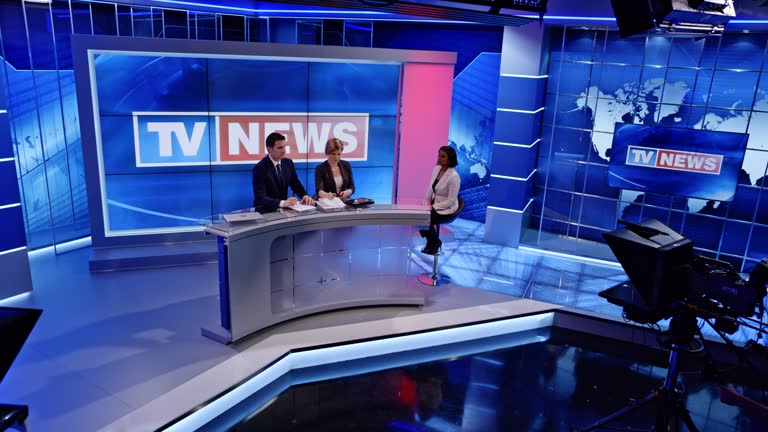
And every time, I notice the same vibe: our TV news feels like that "gali ki aunty" who lives to gossip—dramatic, busybody energy, except with a studio and a ticker. The anti-Pakistan chest-thumping for TRPs, the noisy debates, the way they turn everything into a spectacle—it's all so predictable.
How would you describe Indian TV news?
I've tried to make myself like the news. I really have. Even when the world felt like it was on the edge, I still couldn't. Anchors spice things up, twist the story, and somehow skip the stuff that actually matters inside our own house. Private lives get aired out; public failures get ignored. It feels controlled. Not free. And honestly, it's exhausting.
Recently, I asked my AI a question that had been bothering me: why do people take such hard sides the minute something goes public? And why are we so obsessed with other people's lives when our own are a mess?
Hover to explore
Taking sides is how we signal who we are. It's about identity and belonging in our social groups.
Hover to explore
It's cleaner to think in binaries: right/wrong, victim/perpetrator. Complexity is uncomfortable.
Hover to explore
If you don't pick a side, people assume you're hiding something. Neutrality reads like dishonesty.
Here's what clicked for me. Taking sides is how we signal who we are. It's identity and belonging. When an issue feels moral or emotional, picking a side is easier than sitting with the complexity. It's cleaner to think in binaries: right/wrong, victim/perpetrator. Neutrality reads like dishonesty. If you don't pick, people assume you're hiding something. So we perform outrage, we perform loyalty. It's social survival.
When was the last time you saw a news debate where someone said "I don't know enough about this" or "This is more complex than I initially thought"?
In our media landscape, admitting uncertainty or complexity doesn't generate views, clicks, or engagement. The algorithm rewards strong opinions and emotional reactions, not nuanced thinking. This creates a feedback loop where complexity gets punished and simplification gets rewarded.
In India, that effect is louder. We're deeply community-shaped—families, friend circles, local networks—which means collective emotions snowball fast. Social media adds kerosene. Sensational TV turns pain into programming. Voyeurism is rewarded: peeking into lives that aren't ours. And somewhere in there, it's also escape. If I can scroll and shout about someone else's mess, I don't have to face my own.
Indians on social media
News cycle intensity
Trust decline in traditional media*
*Estimated based on global trends
Then there's the media industry itself. Investigative reporting is risky. Corporate and political pressures are real. Paid news exists. Manufactured drama is cheaper than real accountability. So we get a diet of noise instead of nuance. And young people—people like me—check out not because we don't care, but because we're tired of being played.
I read about the recent school assault case in Udaipur and saw the reactions split clean down the middle:
Demand for the harshest possible consequences. Justice must be served.
Worried about "making examples" and cynical because "these cases keep happening anyway."
Both positions come from fear, pain, and a need to feel in control. But TV doesn't hold space for that nuance. It stages a fight and sells the tickets.
I don't want noise; I want context. Not villains and heroes; just facts, accountability, and a little humility.
What would you prefer in your news consumption?
Until then, when Dad flips to the news, I'll probably keep the volume low. My head—and this country—already have enough drama.
Thanks for reading! How do you navigate news and media in today's world?
Comments
No comments yet. What's your take on news consumption?